Sleep Wellness
8 Sneaky Habits That Can Wreck Your Sleep
Plus, what you can do to sleep better and wake up feeling refreshed.
Sleep quality doesn’t just depend on your bedtime routine. The choices you make throughout the day ultimately impact whether or not you get a good night’s rest. If you’re struggling to fall asleep, stay asleep, or wake up feeling recharged, one of these surprisingly common habits could be to blame.

Late-Night Screen Time
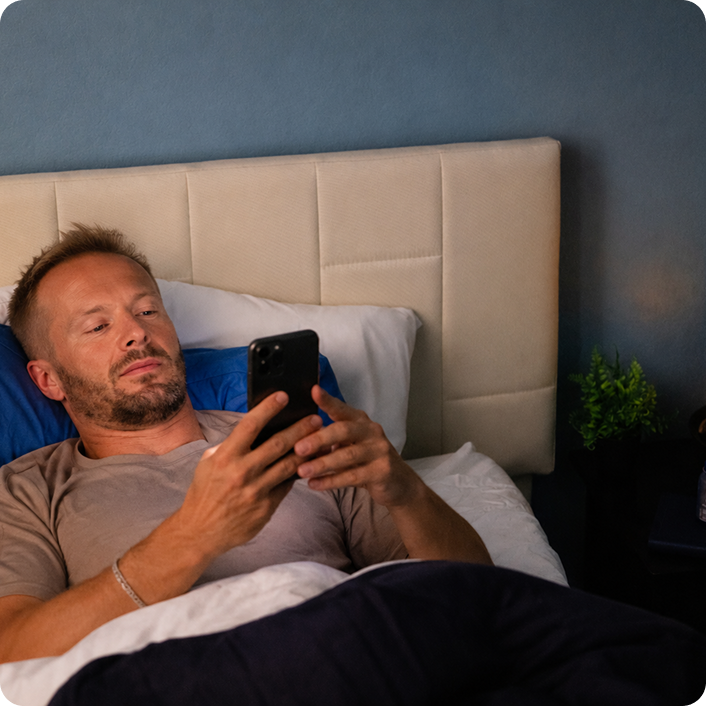
Scrolling through social media or binge-watching your favorite show may sound like great ways to unwind at night, but in reality, the combination of mental stimulation (read: the emotional damage from that finale) and light from screens can delay your body’s natural transition from wakefulness to rest.
Studies show that blue light suppresses melatonin—the hormone that regulates your sleep-wake cycle. Naturally, this disruption can lead to shifts in circadian rhythm, as well as decreases in sleep quality and sleep duration.
What you can do to sleep better:
Reduce exposure to bright screens at least 1 to 2 hours before bedtime. Instead, opt for more sleep-supportive activities like reading, knitting, or listening to calming music.
Drinking Caffeine Late in the Day
We hate to be the bearers of bad news, but your afternoon pick-me-up might be working a little too well.
The half-life of caffeine is about 5 hours, meaning it could take double that for the body to fully kick the effects of your 3 pm latte, tea, or energy drink.
Suddenly, your band-aid for afternoon exhaustion leads to another sleepless night, trapping you in a cycle of tossing, turning, and mid-afternoon slumps.
What you can do to sleep better:
There’s a time and a place for everything—including your go-to Starbies order. Try to avoid caffeinated drinks after noon and opt for decaf as the day continues instead.


Sleeping In on the Weekends
We know it can feel tempting to “catch up” on sleep after an exhausting week, but sleep math doesn’t work that way.
You can’t skimp on sleep 5 nights a week, stay in bed until 2 pm Saturday and Sunday, and call it even. Over time, the lack of rest can still catch up with you, contributing to problems like cognitive decline, metabolic issues, and (of course) fatigue.
Instead, it’s better to prioritize adequate rest nightly so you can avoid accumulating sleep debt in the first place.
What you can do to sleep better:
Aim to keep a regular sleep schedule, waking up and turning in around the same time every day. Not only does this ensure you’re leaving enough time for rest, it also reinforces your body’s natural sleep-wake cycle to help you fall asleep and wake up more easily.

Eating Heavy Meals Too Close to Bedtime
Rich, sugary, spicy, or large meals late at night can be bad for sleep—often leading to gas, heartburn, or other discomfort that disrupts rest. They can also contribute to bad dreams and night terrors, preventing the little bit of sleep you do manage from being restorative.
What you can do to sleep better:
Avoid heavy meals 2 to 3 hours before bed. If you do find yourself craving a little midnight snack, opt for something light, like a piece of fruit.


Indulging in Alcohol to Wind Down
Wine or cocktails may make you feel sleepy at first, but the alcohol in your nightcap can actually do more harm than good as the night goes on.
Even low doses of alcohol negatively impact REM sleep—the mentally restorative stage of rest that helps the brain process everything from emotions to memories and information.
The result? Daytime exhaustion, brain fog, mood swings, and poor concentration.
What you can do to sleep better:
Avoid drinking alcohol within a few hours of bedtime. Instead, upgrade your nighttime routine with an alcohol-free, caffeine-free beverage like chamomile tea.
Your Exercise Routine
Regular exercise can support sleep health by regulating your circadian rhythm and helping your body manage stress—with one major exception.
Intense workouts immediately before bed can disrupt sleep, making it harder to fall asleep, reducing the amount of time slept, and decreasing overall sleep quality.
Why? Vigorous exercise can temporarily spike stress hormones and leave your body feeling more wired than relaxed.
What you can do to sleep better:
Wrap up your workout at least 4 hours before bed to allow your body time to cool down and transition into sleep mode.

Taking Naps
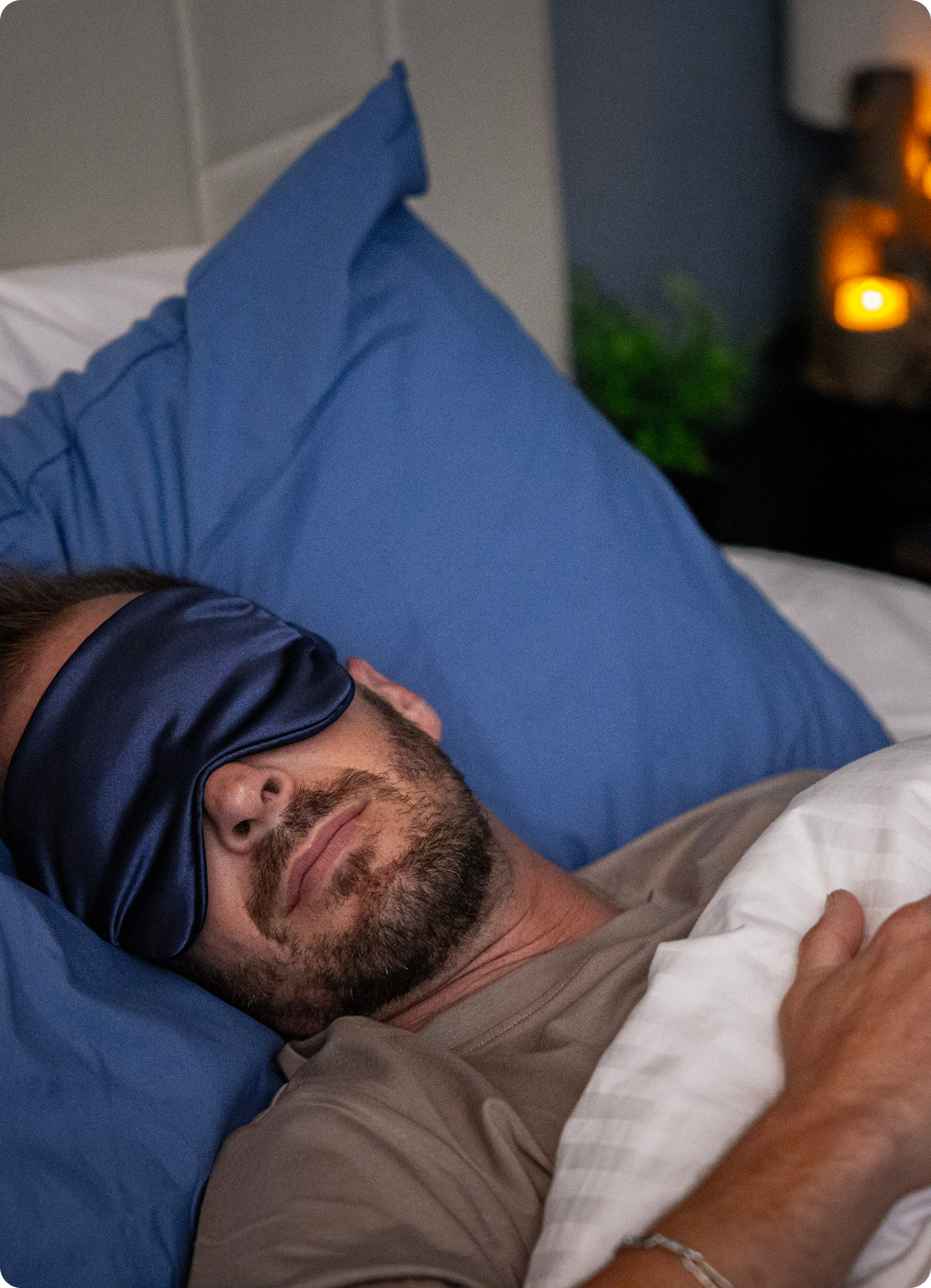
A short catnap can be refreshing when done right, but you can have too much of a good thing. Longer naps, or naps taken too late in the day, may make it harder to fall and stay asleep come evening.
What you can do to sleep better:
Keep naps short (about 20 to 30 minutes) and avoid napping after 3:00 pm.
Overlooking Your Environment
Atmosphere plays a bigger role in sleep health than many people realize. A bedroom that’s too warm, too bright, or too noisy can make it difficult to fall asleep, sleep deeply, and wake up rejuvenated.
What you can do to sleep better:
Turn off the TV to avoid background noise, consider blackout curtains to block streetlights, and adjust your thermostat or fan to keep the room comfortably cool.
The Easiest Way to Support Better Sleep
Restful sleep starts with cultivating healthy habits, but sometimes, the body needs a little extra help unwinding at night.
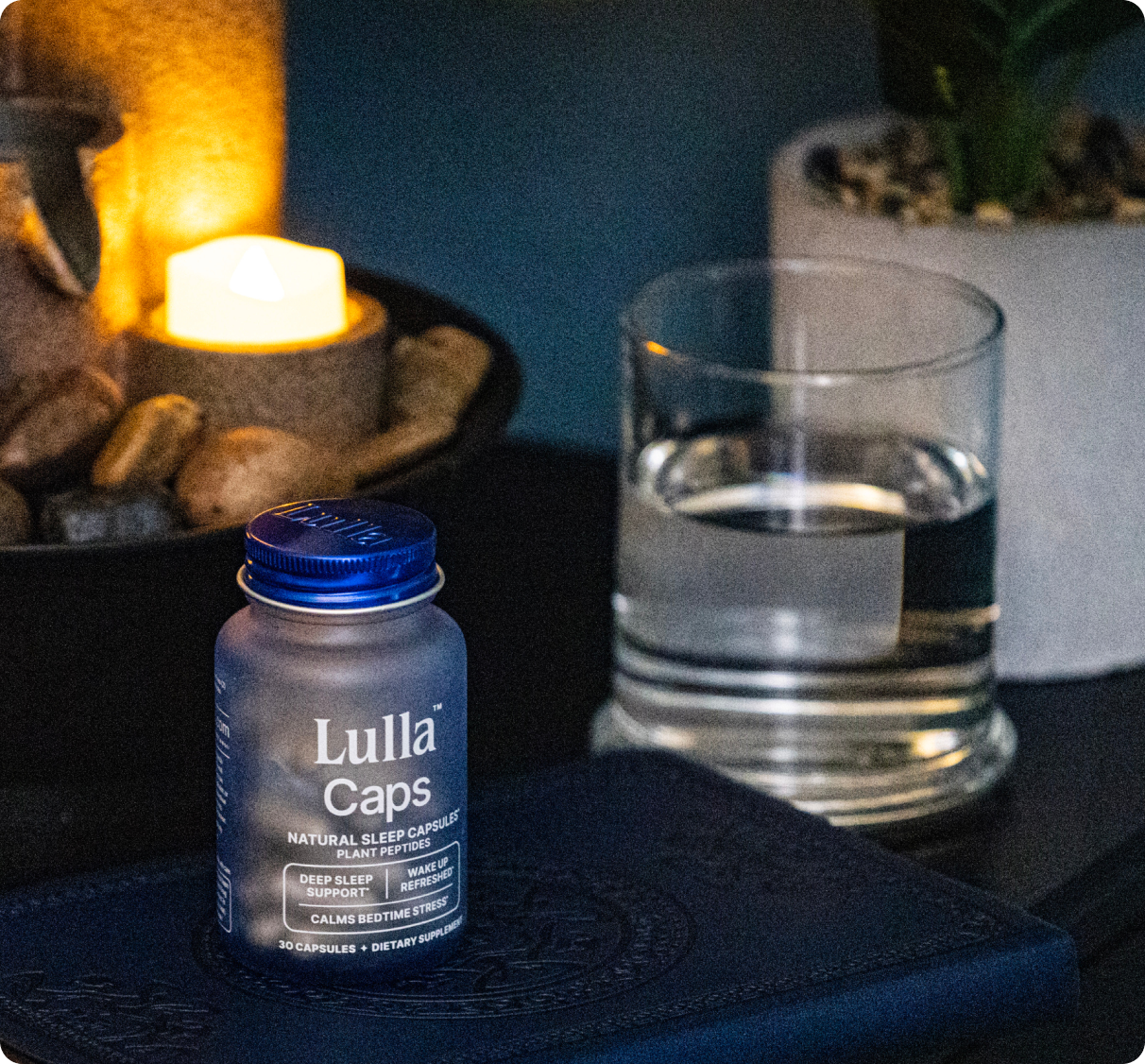
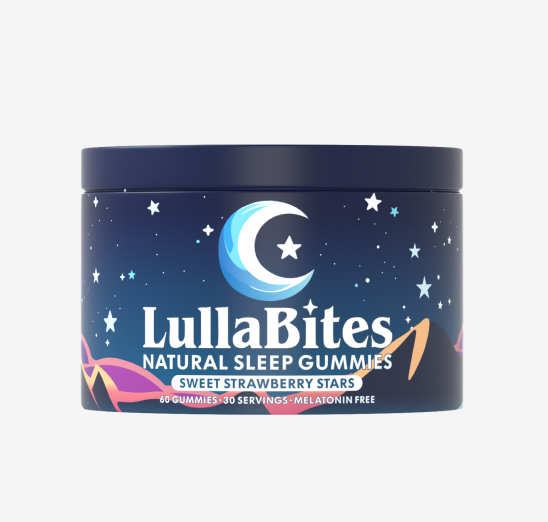
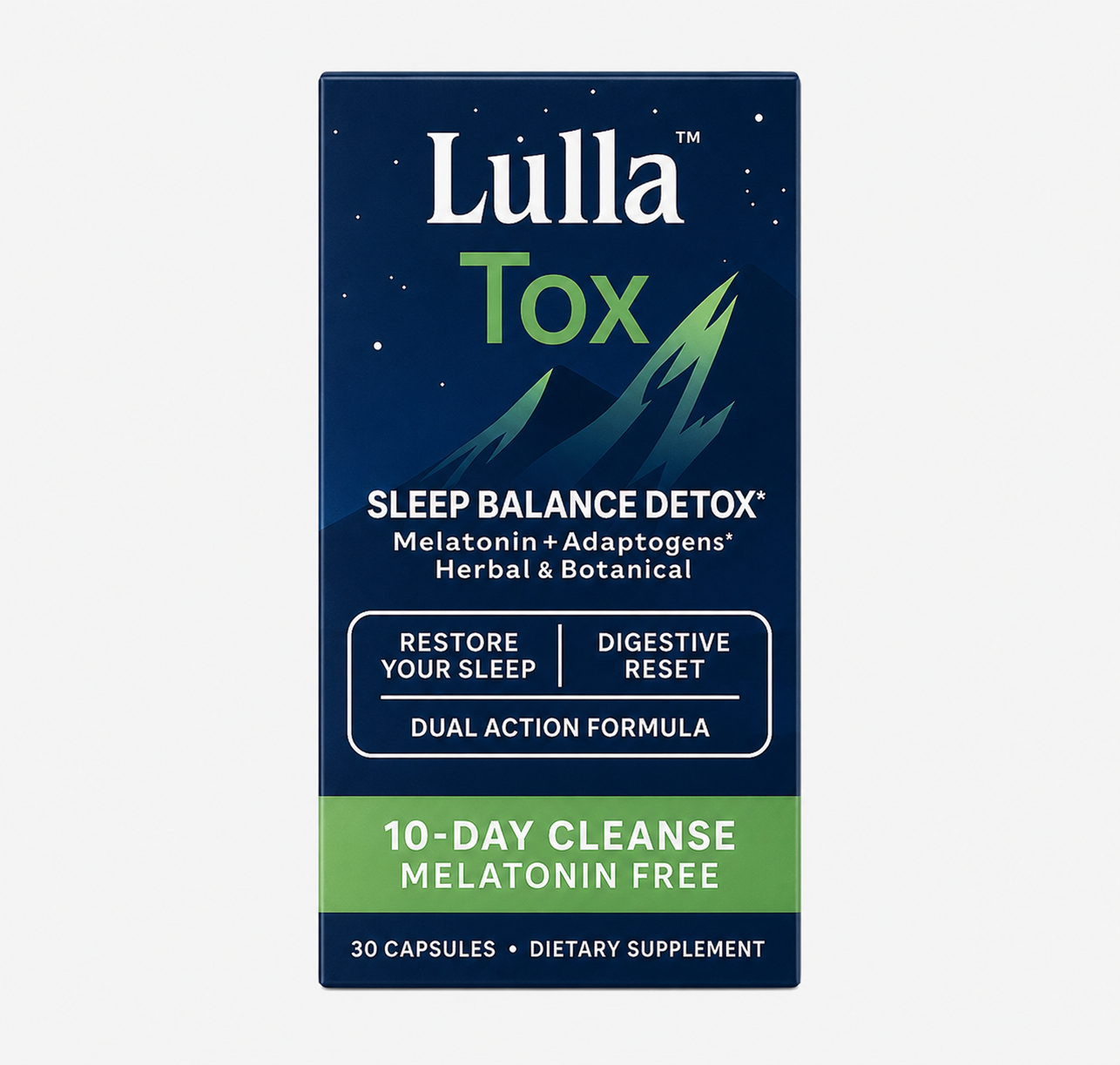
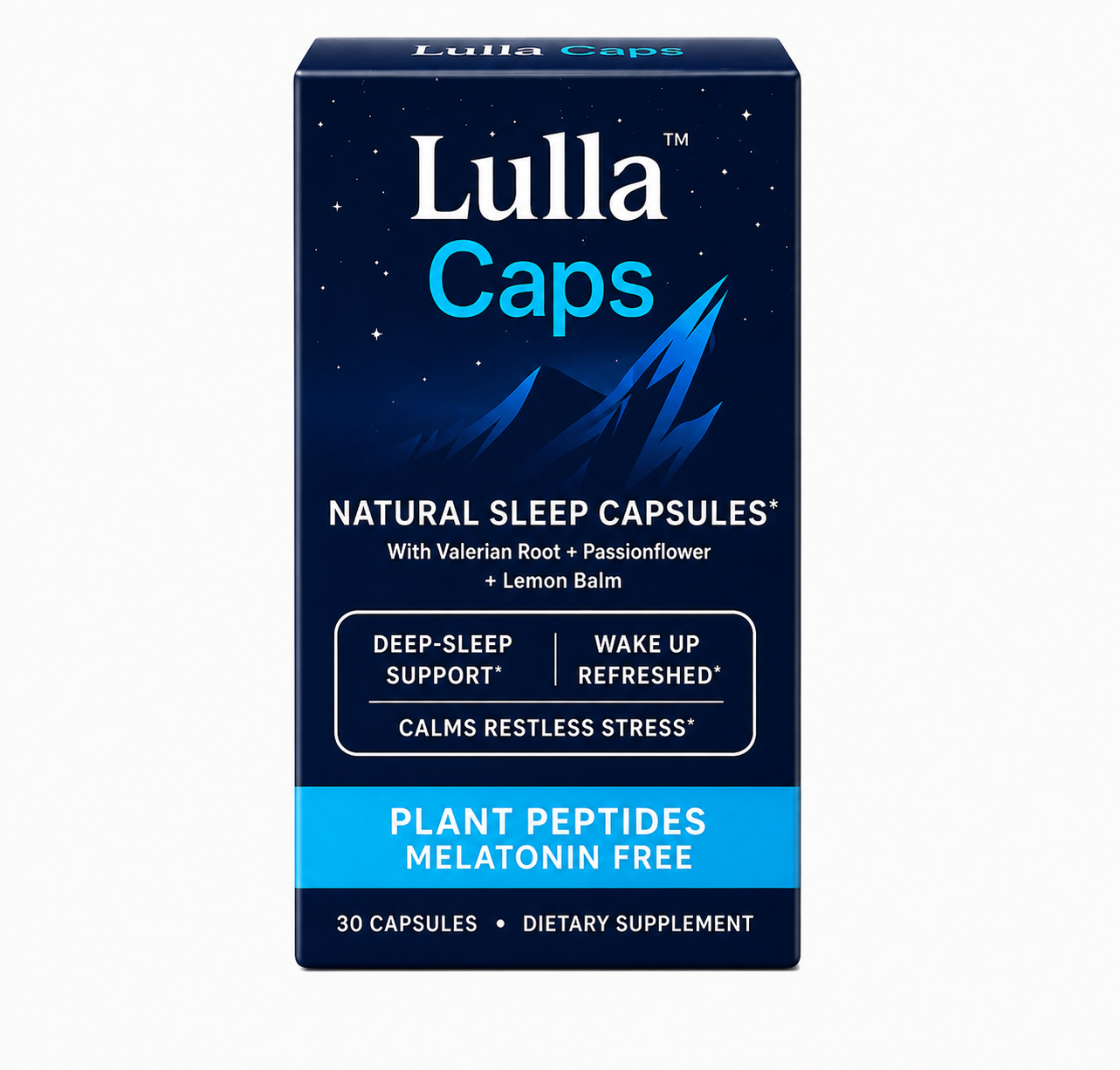
Lulla’s collection of sleep gummies, capsules, and drink mixes is made with natural ingredients that can help promote relaxation, reduce cortisol, improve sleep quality, and increase sleep duration—without any next-day grogginess. Add them to your routine today to enjoy a better night’s rest so you can wake up feeling refreshed.
- Melatonin-free
- No hormones
- No harsh sedatives
- Non-habit forming
- 30-Day money-back guarantee